
Engineered. Verified. European.
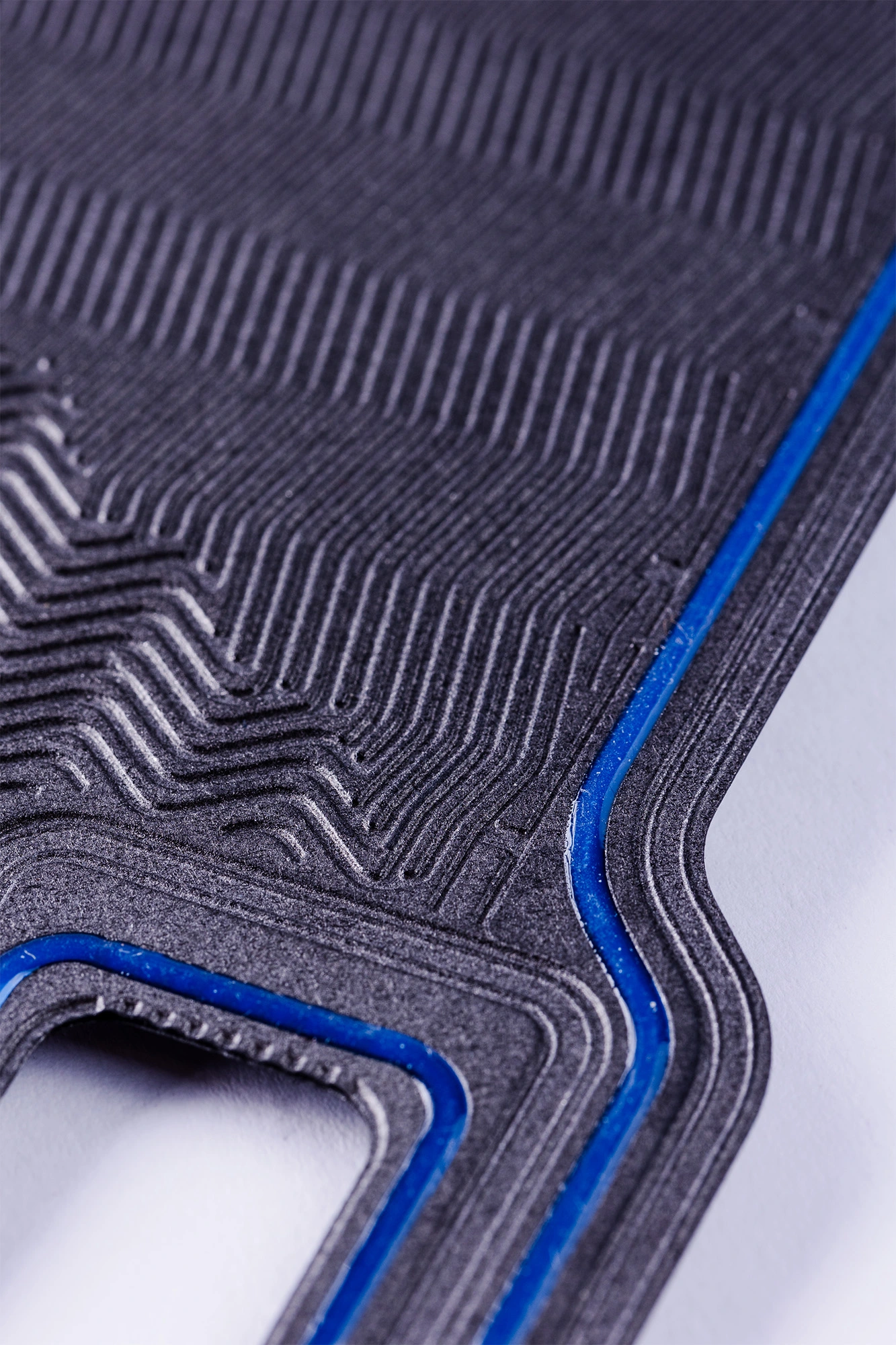
The European project AIM-PLATES advances pilot-scale manufacturing pathways for sustainable composite bipolar plates (cBPPs) used in hydrogen fuel cells, preparing the ground for future industrial-scale production. Funded by the European Union under Horizon Europe and managed by the European Health and Digital Executive Agency (HADEA), the project is coordinated by RISE Research Institutes of Sweden. AIM-PLATES started in June 2026 and will run for four years, bringing together 15 partners from across Europe.
Composite bipolar plates are key components of proton exchange membrane fuel cells (PEMFCs). Their performance, manufacturability and cost are essential for enabling lighter, more efficient and more competitive fuel cell systems. Today, large-scale deployment is still constrained by supply-chain dependencies and manufacturing limitations affecting these critical components.
AIM-PLATES will develop and demonstrate innovative, robust and more controlled manufacturing routes for lightweight, durable and sustainable cBPPs. The project combines advanced materials, digitalised manufacturing processes, quality control solutions and a Safe-and-Sustainable-by-Design framework to improve manufacturing efficiency, reduce waste and support future industrial deployment in Europe.
The project will validate its innovations through two complementary pilot lines built around related advanced moulding-based manufacturing routes. One will focus on lightweight thermoplastic cBPPs for weight-sensitive applications, including aviation. The other will develop cost-effective and robust thermoset-based composite bipolar plates for commercial road vehicles and other market segments.
The AIM-PLATES consortium will work to establish a Made-in-Europe pathway for scalable manufacturing of advanced cBPPs, strengthening Europe’s strategic autonomy and supporting the future deployment of hydrogen fuel cell technologies.
For more information please contact: info@aimplates.eu
Find out more about AIM-PLATES:

Funded by the European Union. Views and opinions expressed are however those of the author(s) only and do not necessarily reflect those of the European Union or the European Health and Digital Executive Agency (HADEA). Neither the European Union nor the granting authority can be held responsible for them.